

Lincoln Heights
An east-of-South-Hill Spokane neighborhood built around the 29th Avenue commercial corridor — 1950s–80s ranch and split-level homes, the Lincoln Heights Shopping Center, and quick access to Manito Park.
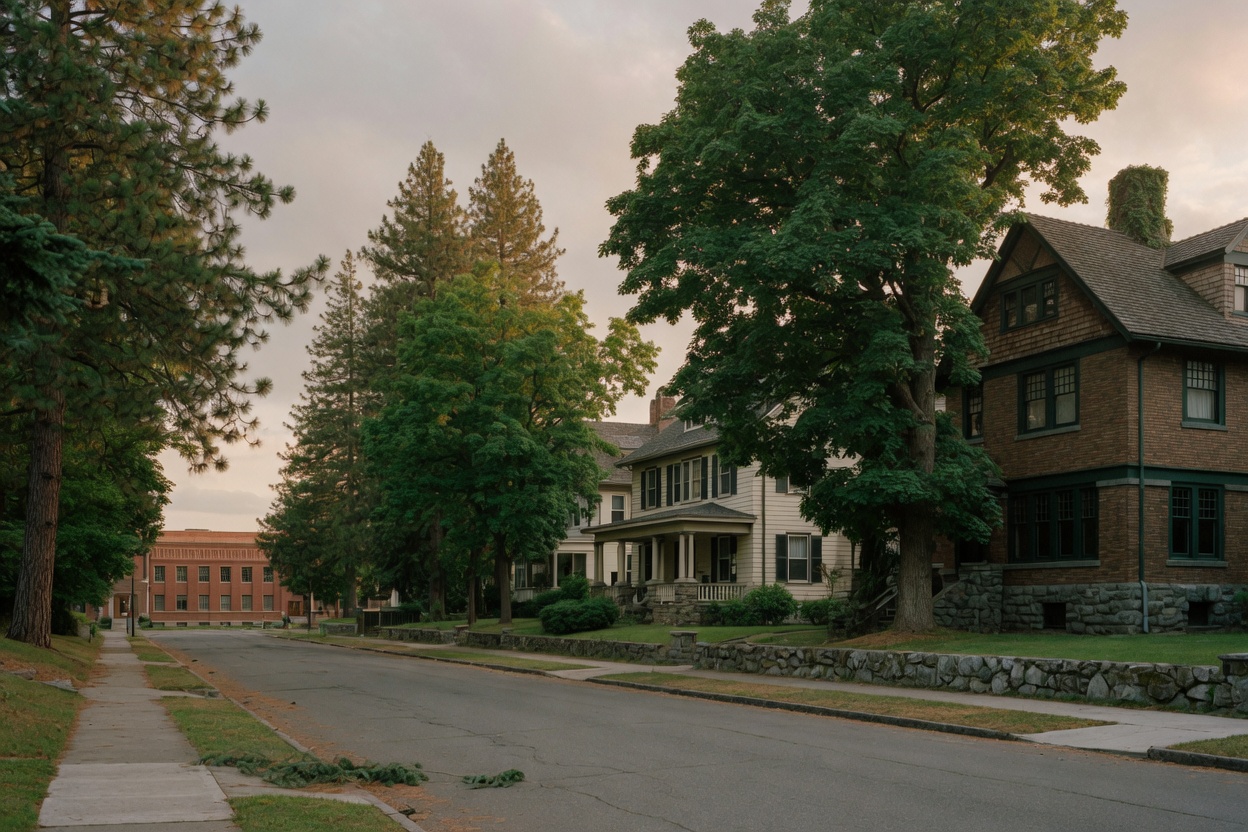
Lincoln Heights is an established residential neighborhood east of Spokane’s South Hill, organized around the 29th Avenue commercial corridor. It is known for its post-war ranch and split-level housing stock, the Lincoln Heights Shopping Center, and a short drive west to Manito Park. Median home sales typically run $425K to $650K, with updated larger ranches and homes near the park edge trading higher.
At a glance
- Schools: Spokane Public Schools — Lincoln Heights Elementary, Sacajawea Middle, Ferris High
- Median price band: $425K–$650K
- Construction era: predominantly 1950s through 1980s
- Lot size: quarter-acre typical; larger on the original-plat blocks
- Commute: ~10 minutes to downtown Spokane via Thor / Freya to I-90
- Recreation: Manito Park 10 minutes west, Lincoln Park, Underhill Park
What makes it different
Lincoln Heights is the practical middle of the South Hill market. It sits east of the more architecturally distinct lower South Hill — where the price band runs meaningfully higher and the bungalow stock dominates — and west of the newer Moran Prairie subdivisions. The housing is mostly post-war ranch and split-level on regular streets with mature trees, and the 29th Avenue commercial corridor handles daily needs without forcing a trip downtown.
Ferris High School is the long-anchor draw. The Ferris attendance area covers a meaningful share of Lincoln Heights, and buyers with school-age children sort by that boundary when choosing between Lincoln Heights and comparable construction in other Spokane Public Schools areas.
Who lives here
A mix of long-tenure original owners who bought new in the 1960s and 1970s, established Spokane families who specifically targeted the Ferris area, and second-tier buyers stepping up from Spokane Valley or starter homes on the north side. The neighborhood reads as quietly residential — kids on bikes, working garages, regular weekday rhythm.
The catch
29th Avenue traffic is real. The arterial that delivers the commercial convenience also delivers commuter volume during morning and afternoon peak, and homes within a block or two of 29th feel it. The housing stock is also showing its age in places — original kitchens, single-pane windows, and 100-amp electrical panels appear regularly in homes that have not been updated, and roofs and water heaters often sit at or past expected service life. Floor plans reflect their era; expect formal living rooms, smaller kitchens, and modest primary suites in the original ranches.
How it compares
Lincoln Heights vs the lower South Hill: Lincoln Heights delivers more ranch and split-level inventory at a lower entry price; the lower South Hill delivers older bungalow and craftsman character with park-edge proximity at a higher band. Lincoln Heights vs Moran Prairie: Lincoln Heights delivers established trees and a tighter commute; Moran delivers newer construction on larger parcels at a higher band. Buyers choose Lincoln Heights when the Ferris attendance area and a practical post-war floor plan outweigh newer construction.